

So, you’re pregnant and wondering, “What on earth can I safely do to keep moving without putting my baby at risk?” Totally normal! Pregnancy is full of changes, exciting, overwhelming, and sometimes a bit confusing. Exercise is a great way to boost your mood, keep your energy up, and get your body ready for the big day. But knowing what’s safe in each trimester? That’s the tricky part.
Don’t worry, this handy guide breaks down the best exercises for each stage of pregnancy, so you can stay active, comfortable, and confident while looking after your growing bub. There are so many great programs out there, designed specifically for pregnancy and postpartum. We HIGHLY recommend the MOVE by The Mama Physio programs, designed by women’s health physio Jess Jenkins (a.k.a The Mama Physio).
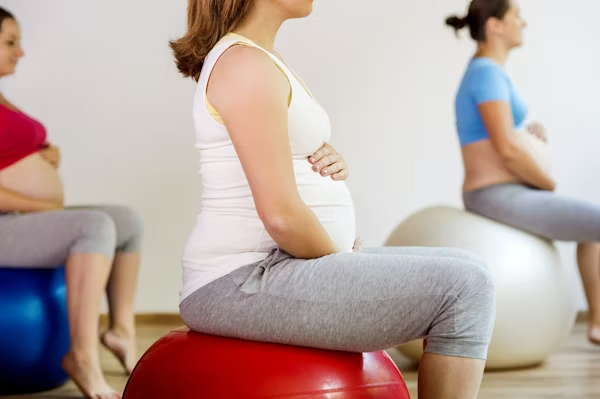
Why Exercise During Pregnancy Matters
Regular, moderate exercise during pregnancy can improve circulation, reduce pregnancy discomforts like back pain, and promote better sleep. It also supports mental well-being by reducing stress and anxiety. According to the Australian Government’s Pregnancy Care Guidelines, most pregnant women can safely engage in physical activity with some modifications.
Before starting or continuing any exercise routine, always consult your healthcare provider to ensure it’s appropriate for your individual pregnancy.
First Trimester (Weeks 1-12): Focus on Gentle Movement and Building Habits
The first trimester is a time of rapid change, and many women experience fatigue, nausea, or mood swings. Gentle, low-impact exercises are ideal to help maintain fitness without overexertion.
Safe Exercises:
-
Walking: A simple, effective way to stay active without strain.
-
Prenatal Yoga: Helps with flexibility, relaxation, and breathing techniques.
-
Swimming: Provides full-body exercise with minimal joint stress.
-
Pelvic Floor Exercises: Strengthen muscles important for labour and recovery.
Tips:
-
Listen to your body and rest when needed.
-
Avoid high-impact or contact sports.
-
Stay hydrated and avoid overheating.
Second Trimester (Weeks 13-26): Build Strength and Endurance Safely
Many women find their energy returns in the second trimester, making it a great time to build strength and endurance. Your growing bump means balance and posture become more important.
Safe Exercises:
-
Modified Strength Training: Use light weights or resistance bands, focusing on major muscle groups.
-
Stationary Cycling: Low-impact cardio that’s gentle on joints.
-
Water Aerobics: Supports your weight and reduces swelling.
-
Continued Prenatal Yoga and Pilates: Focus on core strength and stability.
Tips:
-
Avoid exercises that require lying flat on your back for extended periods.
-
Be cautious with balance exercises; use support if needed.
-
Wear supportive maternity activewear to help circulation during activity.
Third Trimester (Weeks 27-Birth): Prioritise Comfort and Preparation for Labour
As your body prepares for birth, focus on maintaining mobility, flexibility, and relaxation. Avoid strenuous or high-impact activities.
Safe Exercises:
-
Gentle Walking: Keeps you moving without strain.
-
Prenatal Stretching and Yoga: Emphasise breathing and relaxation.
-
Pelvic Floor and Core Exercises: Support labour and postpartum recovery.
-
Swimming or Water Walking: Relieves pressure on joints and reduces swelling.
Tips:
-
Avoid exercises that cause discomfort or shortness of breath.
-
Use Pregnancy Pillows to support your body during rest and recovery.
-
Prioritise rest and listen to your body’s signals.
Exercises to Avoid Throughout Pregnancy
-
High-impact sports or activities with a risk of falling (e.g., skiing, horseback riding).
-
Contact sports (e.g., soccer, basketball).
-
Exercises involving heavy lifting or straining.
-
Hot yoga or exercising in high heat.
-
Scuba diving or activities with rapid altitude changes.

Supporting Your Pregnancy Exercise Routine
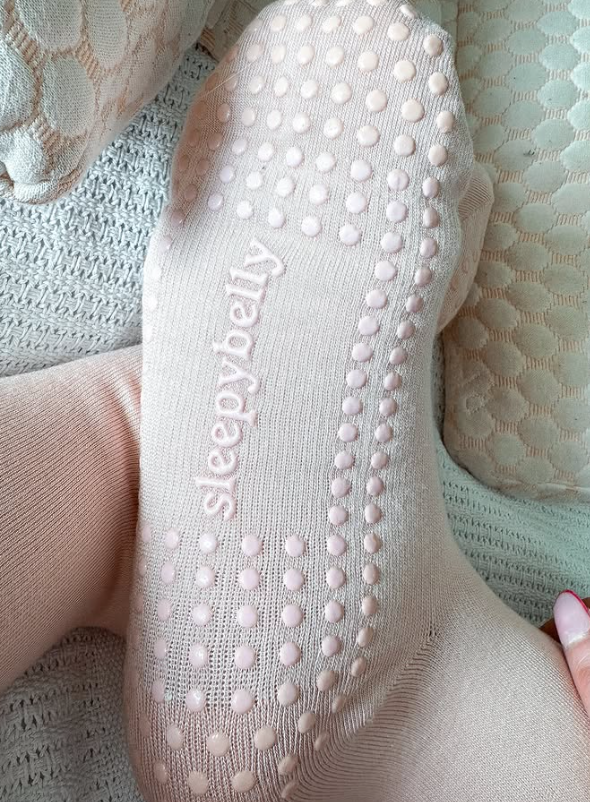
Comfort and support play an important role in staying active throughout pregnancy. Using a supportive pregnancy pillow, like the Sleepybelly Pregnancy Pillow, can help you relax after exercise, promoting better rest and therefore better recovery. Additionally, incorporating products such as Sleepybelly’s Magnesium Body Cream can soothe tired muscles. At the same time, their Maternity Compression Socks help improve circulation and reduce swelling, making it easier to stay comfortable and active throughout the day.
Final Thoughts
Staying active during pregnancy is a fantastic way to nurture both your body and mind, but prioritising safety is essential. Adjusting your exercise routine to suit each trimester’s changes helps protect your baby while keeping you feeling strong and energised. Remember to always check in with your healthcare provider before beginning or modifying any physical activity.
For more advice on pregnancy comfort and wellbeing, you might find Sleepybelly’s articles on topics like adapting sleep positions during pregnancy and natural relief for pregnancy aches helpful. Sleepybelly’s range of maternity essentials is thoughtfully designed to support you through every stage of your pregnancy journey.


